mirror of
https://github.com/huggingface/diffusers.git
synced 2026-01-29 07:22:12 +03:00
 a042909c83
* begin doc

* fix examples

* add in toctree

* fix toctree

* improve copy

* improve introductions

* add lcm doc

* fix filename

* Apply suggestions from code review

Co-authored-by: Steven Liu <59462357+stevhliu@users.noreply.github.com>

* address Sayak's comments

* remove controlnet aux

* open in colab

* move to Specific pipeline examples

* update controlent and adapter examples

---------

Co-authored-by: Steven Liu <59462357+stevhliu@users.noreply.github.com>
275 lines
10 KiB
Markdown
275 lines
10 KiB
Markdown
<!--Copyright 2023 The HuggingFace Team. All rights reserved.
|
|
|
|
Licensed under the Apache License, Version 2.0 (the "License"); you may not use this file except in compliance with
|
|
the License. You may obtain a copy of the License at
|
|
|
|
http://www.apache.org/licenses/LICENSE-2.0
|
|
|
|
Unless required by applicable law or agreed to in writing, software distributed under the License is distributed on
|
|
an "AS IS" BASIS, WITHOUT WARRANTIES OR CONDITIONS OF ANY KIND, either express or implied. See the License for the
|
|
specific language governing permissions and limitations under the License.
|
|
-->
|
|
|
|
[[open-in-colab]]
|
|
|
|
# Latent Consistency Model
|
|
|
|
Latent Consistency Models (LCM) enable quality image generation in typically 2-4 steps making it possible to use diffusion models in almost real-time settings.
|
|
|
|
From the [official website](https://latent-consistency-models.github.io/):
|
|
|
|
> LCMs can be distilled from any pre-trained Stable Diffusion (SD) in only 4,000 training steps (~32 A100 GPU Hours) for generating high quality 768 x 768 resolution images in 2~4 steps or even one step, significantly accelerating text-to-image generation. We employ LCM to distill the Dreamshaper-V7 version of SD in just 4,000 training iterations.
|
|
|
|
For a more technical overview of LCMs, refer to [the paper](https://huggingface.co/papers/2310.04378).
|
|
|
|
LCM distilled models are available for [stable-diffusion-v1-5](https://huggingface.co/runwayml/stable-diffusion-v1-5), [stable-diffusion-xl-base-1.0](https://huggingface.co/stabilityai/stable-diffusion-xl-base-1.0), and the [SSD-1B](https://huggingface.co/segmind/SSD-1B) model. All the checkpoints can be found in this [collection](https://huggingface.co/collections/latent-consistency/latent-consistency-models-weights-654ce61a95edd6dffccef6a8).
|
|
|
|
This guide shows how to perform inference with LCMs for
|
|
- text-to-image
|
|
- image-to-image
|
|
- combined with style LoRAs
|
|
- ControlNet/T2I-Adapter
|
|
|
|
## Text-to-image
|
|
|
|
You'll use the [`StableDiffusionXLPipeline`] pipeline with the [`LCMScheduler`] and then load the LCM-LoRA. Together with the LCM-LoRA and the scheduler, the pipeline enables a fast inference workflow, overcoming the slow iterative nature of diffusion models.
|
|
|
|
```python
|
|
from diffusers import StableDiffusionXLPipeline, UNet2DConditionModel, LCMScheduler
|
|
import torch
|
|
|
|
unet = UNet2DConditionModel.from_pretrained(
|
|
"latent-consistency/lcm-sdxl",
|
|
torch_dtype=torch.float16,
|
|
variant="fp16",
|
|
)
|
|
pipe = StableDiffusionXLPipeline.from_pretrained(
|
|
"stabilityai/stable-diffusion-xl-base-1.0", unet=unet, torch_dtype=torch.float16, variant="fp16",
|
|
).to("cuda")
|
|
pipe.scheduler = LCMScheduler.from_config(pipe.scheduler.config)
|
|
|
|
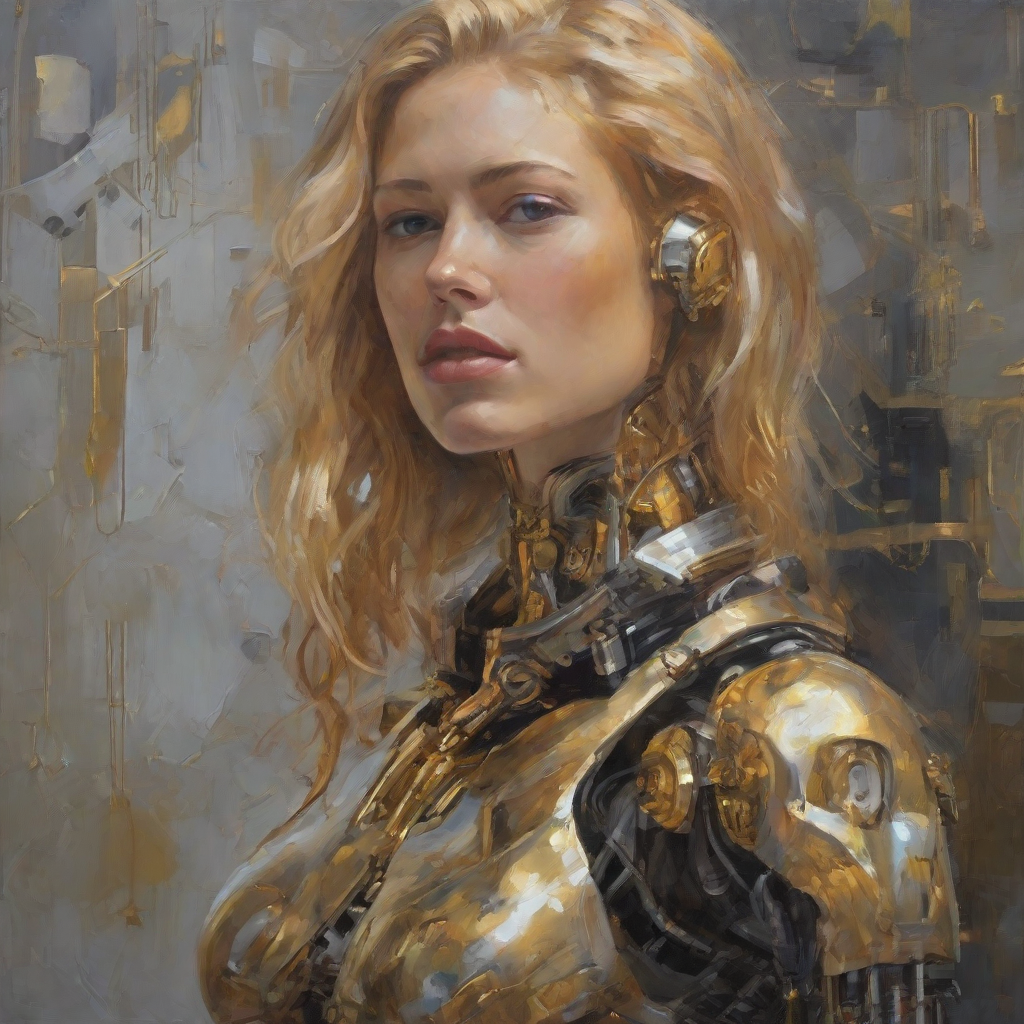
prompt = "Self-portrait oil painting, a beautiful cyborg with golden hair, 8k"
|
|
|
|
generator = torch.manual_seed(0)
|
|
image = pipe(
|
|
prompt=prompt, num_inference_steps=4, generator=generator, guidance_scale=8.0
|
|
).images[0]
|
|
```
|
|
|
|
|
|
|
|
Notice that we use only 4 steps for generation which is way less than what's typically used for standard SDXL.
|
|
|
|
Some details to keep in mind:
|
|
|
|
* To perform classifier-free guidance, batch size is usually doubled inside the pipeline. LCM, however, applies guidance using guidance embeddings, so the batch size does not have to be doubled in this case. This leads to a faster inference time, with the drawback that negative prompts don't have any effect on the denoising process.
|
|
* The UNet was trained using the [3., 13.] guidance scale range. So, that is the ideal range for `guidance_scale`. However, disabling `guidance_scale` using a value of 1.0 is also effective in most cases.
|
|
|
|
|
|
## Image-to-image
|
|
|
|
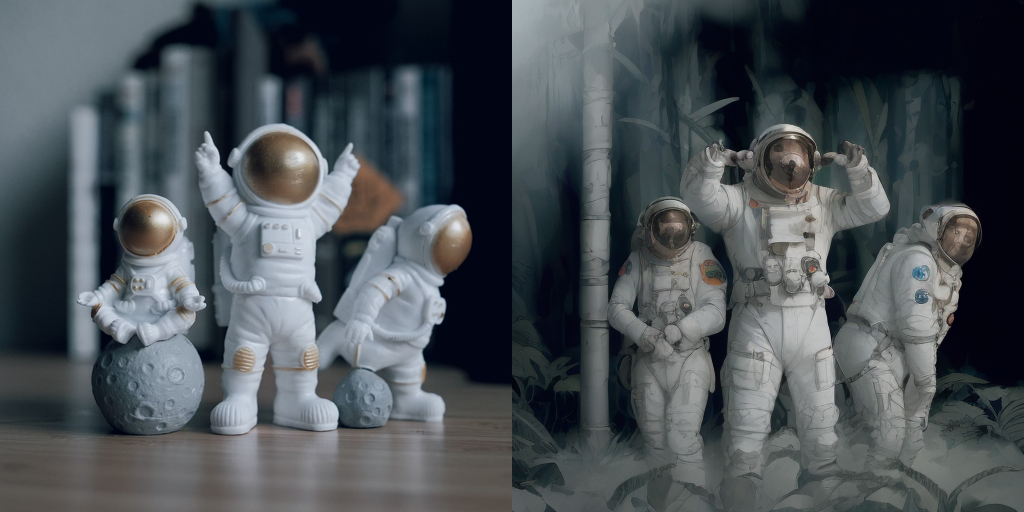
LCMs can be applied to image-to-image tasks too. For this example, we'll use the [LCM_Dreamshaper_v7](https://huggingface.co/SimianLuo/LCM_Dreamshaper_v7) model, but the same steps can be applied to other LCM models as well.
|
|
|
|
```python
|
|
import torch
|
|
from diffusers import AutoPipelineForImage2Image, UNet2DConditionModel, LCMScheduler
|
|
from diffusers.utils import make_image_grid, load_image
|
|
|
|
unet = UNet2DConditionModel.from_pretrained(
|
|
"SimianLuo/LCM_Dreamshaper_v7",
|
|
subfolder="unet",
|
|
torch_dtype=torch.float16,
|
|
)
|
|
|
|
pipe = AutoPipelineForImage2Image.from_pretrained(
|
|
"Lykon/dreamshaper-7",
|
|
unet=unet,
|
|
torch_dtype=torch.float16,
|
|
variant="fp16",
|
|
).to("cuda")
|
|
pipe.scheduler = LCMScheduler.from_config(pipe.scheduler.config)
|
|
|
|
# prepare image
|
|
url = "https://huggingface.co/datasets/huggingface/documentation-images/resolve/main/diffusers/img2img-init.png"
|
|
init_image = load_image(url)
|
|
prompt = "Astronauts in a jungle, cold color palette, muted colors, detailed, 8k"
|
|
|
|
# pass prompt and image to pipeline
|
|
generator = torch.manual_seed(0)
|
|
image = pipe(
|
|
prompt,
|
|
image=init_image,
|
|
num_inference_steps=4,
|
|
guidance_scale=7.5,
|
|
strength=0.5,
|
|
generator=generator
|
|
).images[0]
|
|
make_image_grid([init_image, image], rows=1, cols=2)
|
|
```
|
|
|
|
|
|
|
|
|
|
<Tip>
|
|
|
|
You can get different results based on your prompt and the image you provide. To get the best results, we recommend trying different values for `num_inference_steps`, `strength`, and `guidance_scale` parameters and choose the best one.
|
|
|
|
</Tip>
|
|
|
|
|
|
## Combine with style LoRAs
|
|
|
|
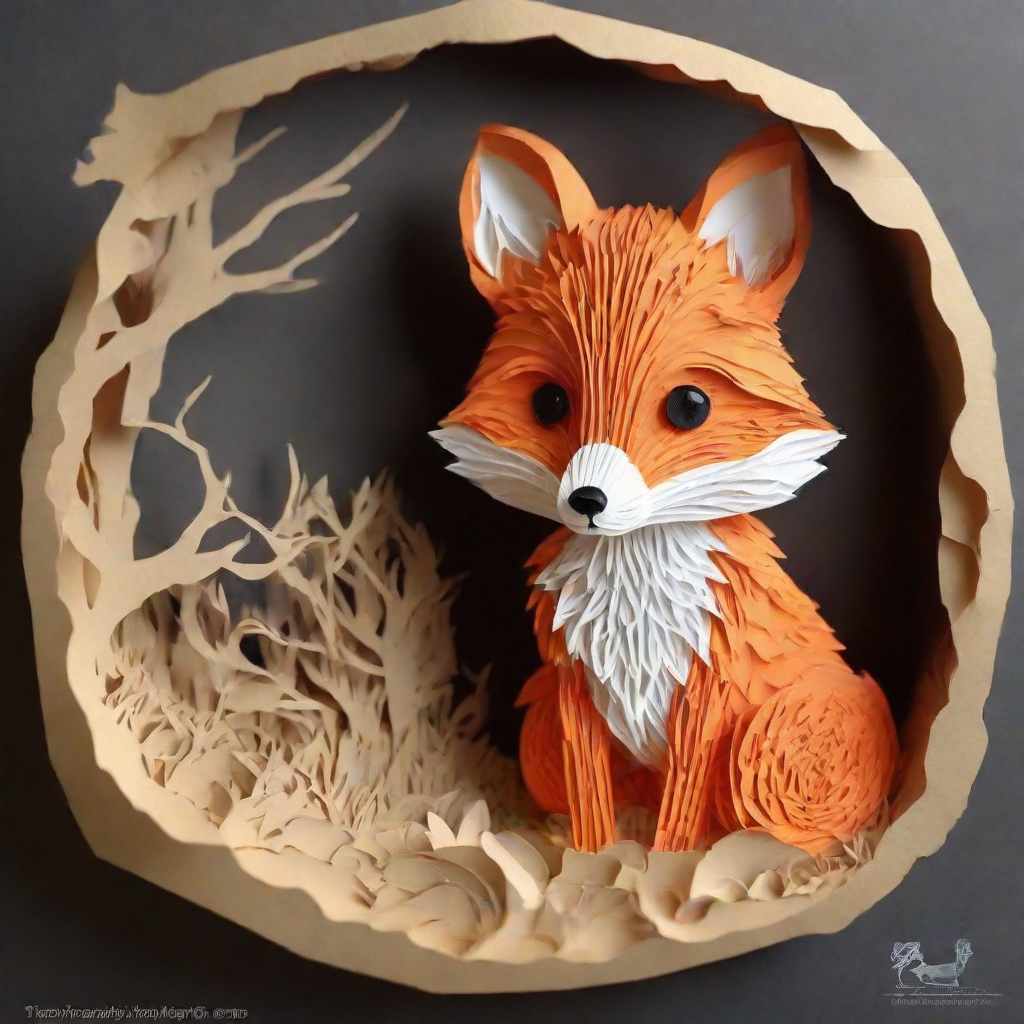
LCMs can be used with other styled LoRAs to generate styled-images in very few steps (4-8). In the following example, we'll use the [papercut LoRA](TheLastBen/Papercut_SDXL).
|
|
|
|
```python
|
|
from diffusers import StableDiffusionXLPipeline, UNet2DConditionModel, LCMScheduler
|
|
import torch
|
|
|
|
unet = UNet2DConditionModel.from_pretrained(
|
|
"latent-consistency/lcm-sdxl",
|
|
torch_dtype=torch.float16,
|
|
variant="fp16",
|
|
)
|
|
pipe = StableDiffusionXLPipeline.from_pretrained(
|
|
"stabilityai/stable-diffusion-xl-base-1.0", unet=unet, torch_dtype=torch.float16, variant="fp16",
|
|
).to("cuda")
|
|
pipe.scheduler = LCMScheduler.from_config(pipe.scheduler.config)
|
|
|
|
pipe.load_lora_weights("TheLastBen/Papercut_SDXL", weight_name="papercut.safetensors", adapter_name="papercut")
|
|
|
|
prompt = "papercut, a cute fox"
|
|
|
|
generator = torch.manual_seed(0)
|
|
image = pipe(
|
|
prompt=prompt, num_inference_steps=4, generator=generator, guidance_scale=8.0
|
|
).images[0]
|
|
image
|
|
```
|
|
|
|
|
|
|
|
|
|
## ControlNet/T2I-Adapter
|
|
|
|
Let's look at how we can perform inference with ControlNet/T2I-Adapter and a LCM.
|
|
|
|
### ControlNet
|
|
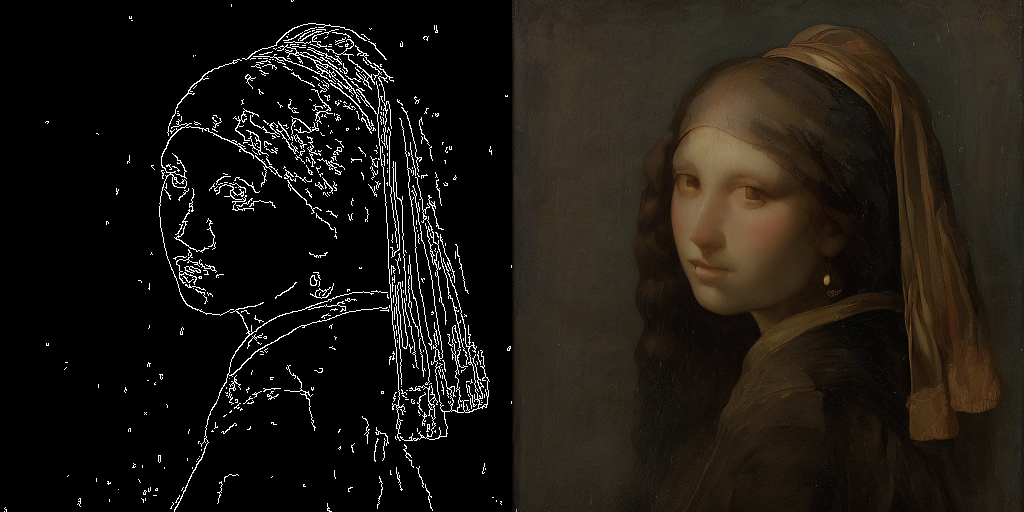
For this example, we'll use the [LCM_Dreamshaper_v7](https://huggingface.co/SimianLuo/LCM_Dreamshaper_v7) model with canny ControlNet, but the same steps can be applied to other LCM models as well.
|
|
|
|
```python
|
|
import torch
|
|
import cv2
|
|
import numpy as np
|
|
from PIL import Image
|
|
|
|
from diffusers import StableDiffusionControlNetPipeline, ControlNetModel, LCMScheduler
|
|
from diffusers.utils import load_image, make_image_grid
|
|
|
|
image = load_image(
|
|
"https://hf.co/datasets/huggingface/documentation-images/resolve/main/diffusers/input_image_vermeer.png"
|
|
).resize((512, 512))
|
|
|
|
image = np.array(image)
|
|
|
|
low_threshold = 100
|
|
high_threshold = 200
|
|
|
|
image = cv2.Canny(image, low_threshold, high_threshold)
|
|
image = image[:, :, None]
|
|
image = np.concatenate([image, image, image], axis=2)
|
|
canny_image = Image.fromarray(image)
|
|
|
|
controlnet = ControlNetModel.from_pretrained("lllyasviel/sd-controlnet-canny", torch_dtype=torch.float16)
|
|
pipe = StableDiffusionControlNetPipeline.from_pretrained(
|
|
"SimianLuo/LCM_Dreamshaper_v7",
|
|
controlnet=controlnet,
|
|
torch_dtype=torch.float16,
|
|
safety_checker=None,
|
|
).to("cuda")
|
|
|
|
# set scheduler
|
|
pipe.scheduler = LCMScheduler.from_config(pipe.scheduler.config)
|
|
|
|
generator = torch.manual_seed(0)
|
|
image = pipe(
|
|
"the mona lisa",
|
|
image=canny_image,
|
|
num_inference_steps=4,
|
|
generator=generator,
|
|
).images[0]
|
|
make_image_grid([canny_image, image], rows=1, cols=2)
|
|
```
|
|
|
|
|
|
|
|
|
|
<Tip>
|
|
The inference parameters in this example might not work for all examples, so we recommend trying different values for the `num_inference_steps`, `guidance_scale`, `controlnet_conditioning_scale`, and `cross_attention_kwargs` parameters and choosing the best one.
|
|
</Tip>
|
|
|
|
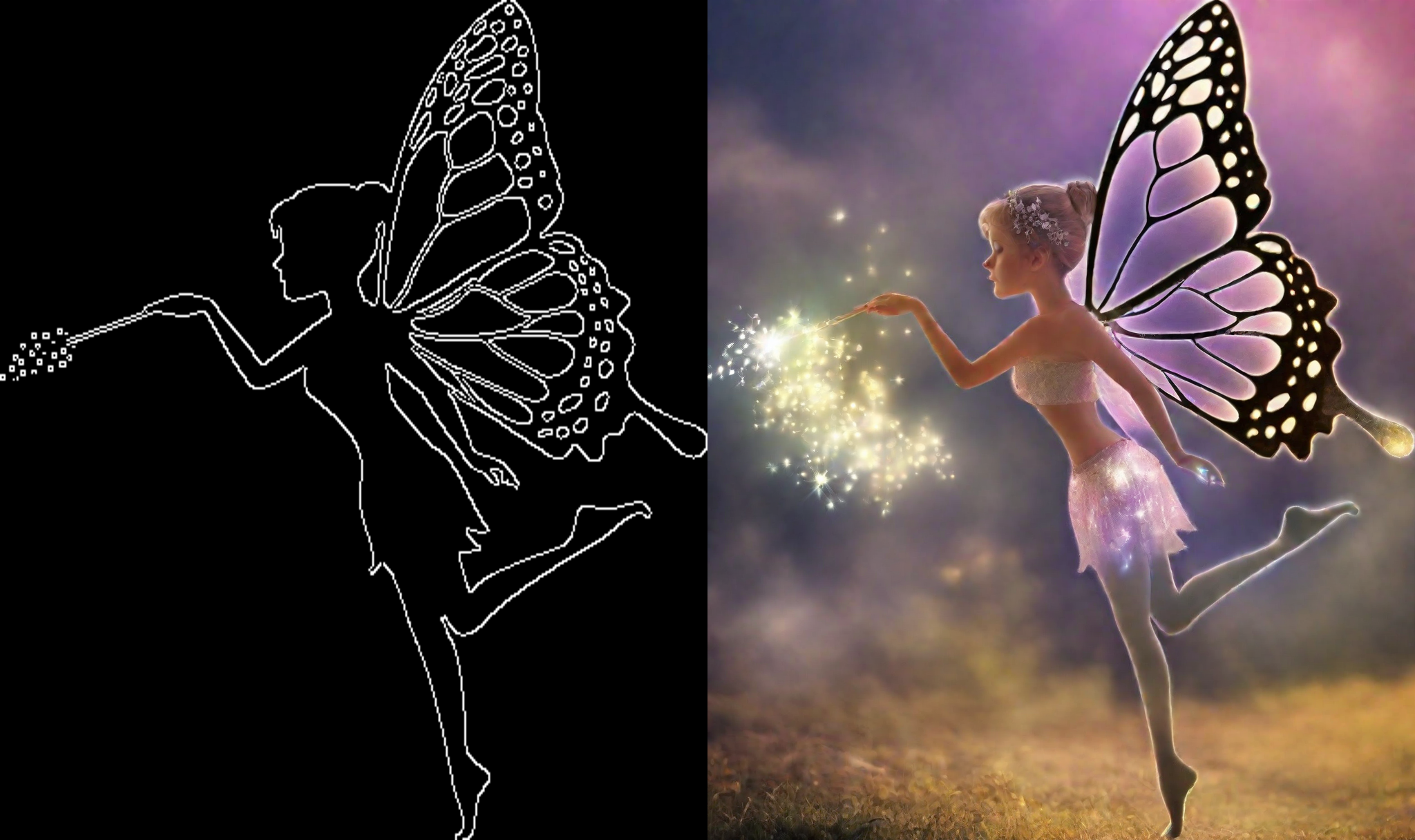
### T2I-Adapter
|
|
|
|
This example shows how to use the `lcm-sdxl` with the [Canny T2I-Adapter](TencentARC/t2i-adapter-canny-sdxl-1.0).
|
|
|
|
```python
|
|
import torch
|
|
import cv2
|
|
import numpy as np
|
|
from PIL import Image
|
|
|
|
from diffusers import StableDiffusionXLAdapterPipeline, UNet2DConditionModel, T2IAdapter, LCMScheduler
|
|
from diffusers.utils import load_image, make_image_grid
|
|
|
|
# Prepare image
|
|
# Detect the canny map in low resolution to avoid high-frequency details
|
|
image = load_image(
|
|
"https://huggingface.co/Adapter/t2iadapter/resolve/main/figs_SDXLV1.0/org_canny.jpg"
|
|
).resize((384, 384))
|
|
|
|
image = np.array(image)
|
|
|
|
low_threshold = 100
|
|
high_threshold = 200
|
|
|
|
image = cv2.Canny(image, low_threshold, high_threshold)
|
|
image = image[:, :, None]
|
|
image = np.concatenate([image, image, image], axis=2)
|
|
canny_image = Image.fromarray(image).resize((1024, 1216))
|
|
|
|
# load adapter
|
|
adapter = T2IAdapter.from_pretrained("TencentARC/t2i-adapter-canny-sdxl-1.0", torch_dtype=torch.float16, varient="fp16").to("cuda")
|
|
|
|
unet = UNet2DConditionModel.from_pretrained(
|
|
"latent-consistency/lcm-sdxl",
|
|
torch_dtype=torch.float16,
|
|
variant="fp16",
|
|
)
|
|
pipe = StableDiffusionXLAdapterPipeline.from_pretrained(
|
|
"stabilityai/stable-diffusion-xl-base-1.0",
|
|
unet=unet,
|
|
adapter=adapter,
|
|
torch_dtype=torch.float16,
|
|
variant="fp16",
|
|
).to("cuda")
|
|
|
|
pipe.scheduler = LCMScheduler.from_config(pipe.scheduler.config)
|
|
|
|
prompt = "Mystical fairy in real, magic, 4k picture, high quality"
|
|
negative_prompt = "extra digit, fewer digits, cropped, worst quality, low quality, glitch, deformed, mutated, ugly, disfigured"
|
|
|
|
generator = torch.manual_seed(0)
|
|
image = pipe(
|
|
prompt=prompt,
|
|
negative_prompt=negative_prompt,
|
|
image=canny_image,
|
|
num_inference_steps=4,
|
|
guidance_scale=5,
|
|
adapter_conditioning_scale=0.8,
|
|
adapter_conditioning_factor=1,
|
|
generator=generator,
|
|
).images[0]
|
|
grid = make_image_grid([canny_image, image], rows=1, cols=2)
|
|
```
|
|
|
|
|